2025 NJ Realty Transfer Fee – Bill s4666 / A5804

On June 30, 2025, Governor Murphy signed Bill S4666 / A5804 into law, making the seller the responsible party for paying the “Mansion Tax” (N.J.S.A. 46:15-7.2 et seq.), as well as substantially increasing the rates on transfers for more than $2,000,000.00. These changes were effective as of July 10, 2025.

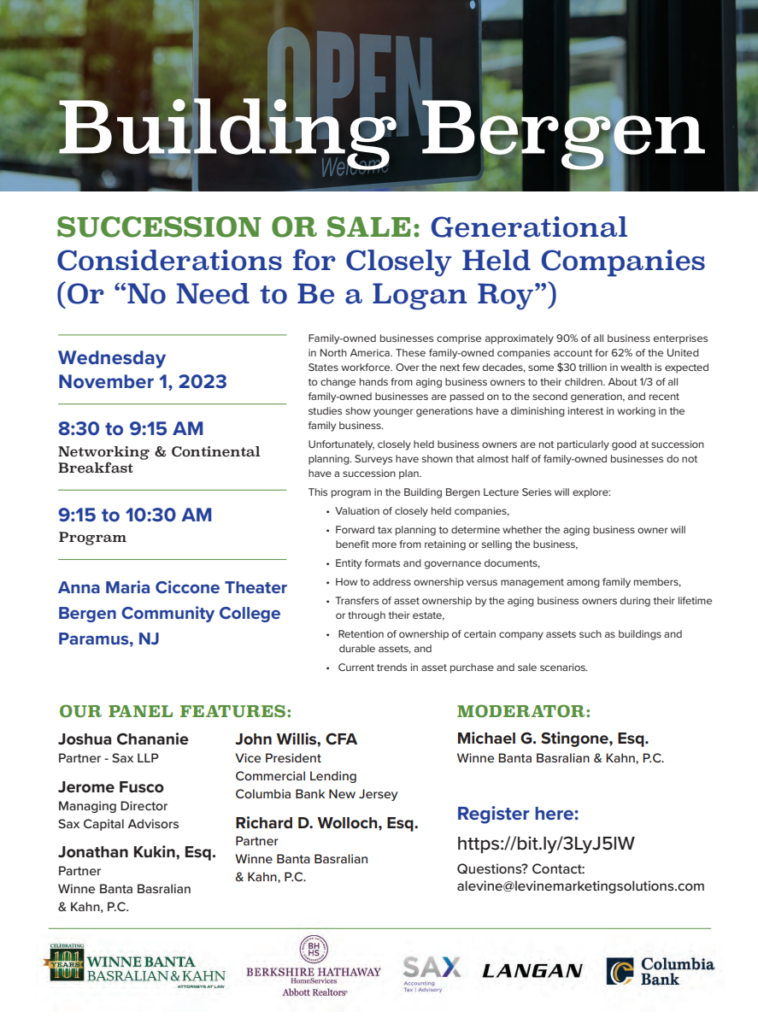
     Rather than being imposed on the buyer, the “Mansion Tax” is now imposed on the seller, in addition to the Realty Transfer Fee (N.J.S.A. 46:15-5 et seq.). Although no regulatory guidance or tax forms are yet available, N.J.S.A. 46:15-7.2 now provides the following fee structure for the “Mansion Tax,” which consists of five potential rates, depending on the total amount of consideration stated in the deed:
 

  • Consideration of $1,000,000.00 to $2,000,000.00: 1% of the entire consideration
  • Consideration of $2,000,000.01 to $2,500,000.00: 2% of the entire consideration
  • Consideration of $2,500,000.01 to $3,000,000.00: 2.5% of the entire consideration
  • Consideration of $3,000,000.01 to $3,500,000.00: 3% of the entire consideration
  • Considerations above $3,500,000.00: 3.5% of the entire consideration


     As before, the “Mansion Tax” applies to a transfer of real property that has been classified by the municipal tax assessor as Class 2 (1-4 family house), 3A (if the farmland contains a residential dwelling), 4A (commercial), or 4C (a cooperative unit). Conveyances for less than $1,000,000.00 remain exempt from the “Mansion Tax.”

As always, the attorneys at Winne, Banta, Basralian & Kahn are here to serve you.

If you have specific questions pertaining to the information above, please contact one of the attorneys in our Real Estate, Land Use, Planning & Zoning and Environmental Law Department listed below.

Co-Chairs:                                                                                  

Joseph L. Basralian jbasralian@winnebanta.com                      

Richard R. Kahn rkahn@winnebanta.com                                                                                                           

Partners:   

Thomas J. Cangialosi, Jr. tcangialosi@winnebanta.com

Robert M. Jacobs rjacobs@winnebanta.com                             

Ian S. Kleeblatt ikleeblatt@winnebanta.com                              

Gary S. Redish gredish@winnebanta.com                                 

Bruce R. Rosenberg brosenberg@winnebanta.com

Michael G. Stingone mstingone@winnebanta.com

Richard D. Wolloch rwolloch@winnebanta.com

Associates:

Amanda Gaul agaul@winnebanta.com

Aaron Joseph ajoseph@winnebanta.com

Marla Wolfe Taus mtaus@winnebanta.com

Ivette Vargas ivargas@winnebanta.com

Of Counsel:

Robert J. Kleeblatt rkleeblatt@winnebanta.com

Alice B. Newman anewman@winnebanta.com

2025 NJ Realty Transfer Fee – Bill s4666 / A5804 Read More »

Bruce Rosenberg Secures variance approval from the Fair Lawn Zoning Board of Adjustment

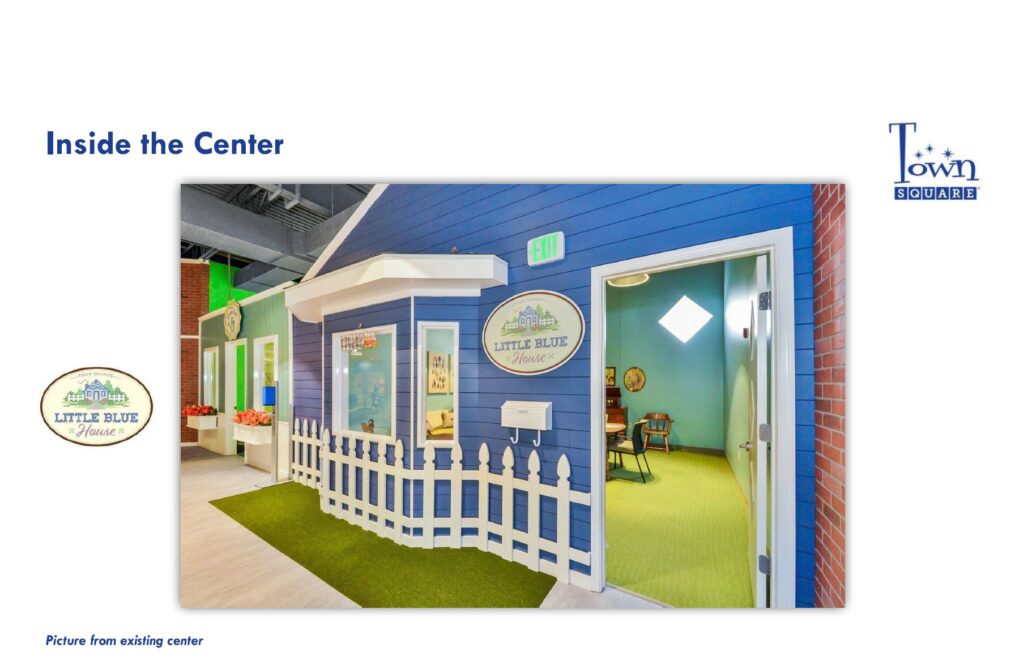
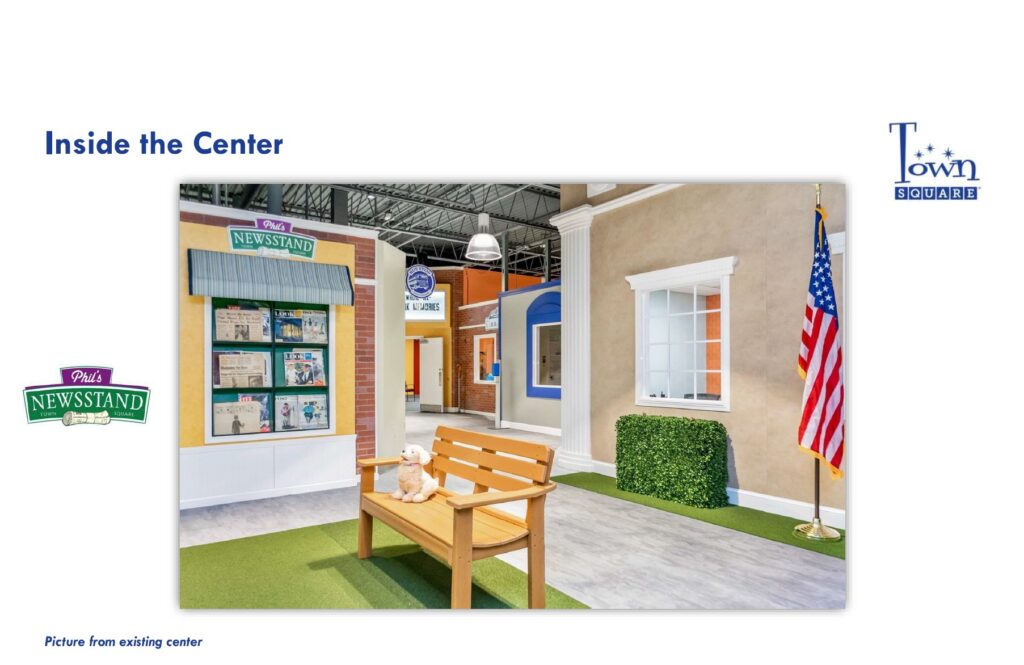
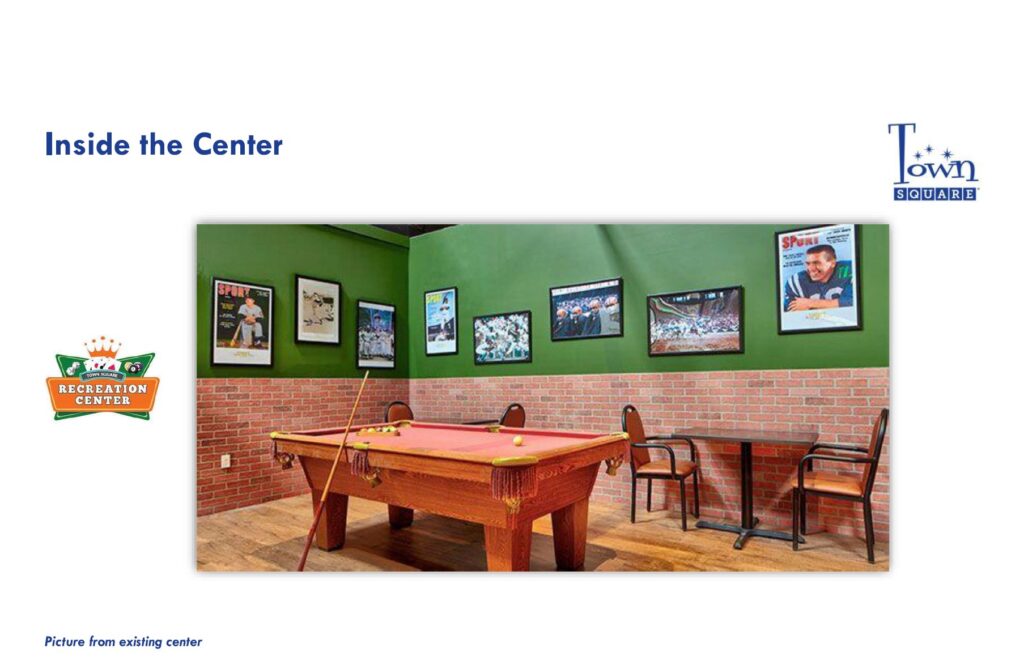
Bruce Rosenberg has recently secured use variance approval for a Town Square Adult Medical Day Care from the Fair Lawn Zoning Board of Adjustment.     

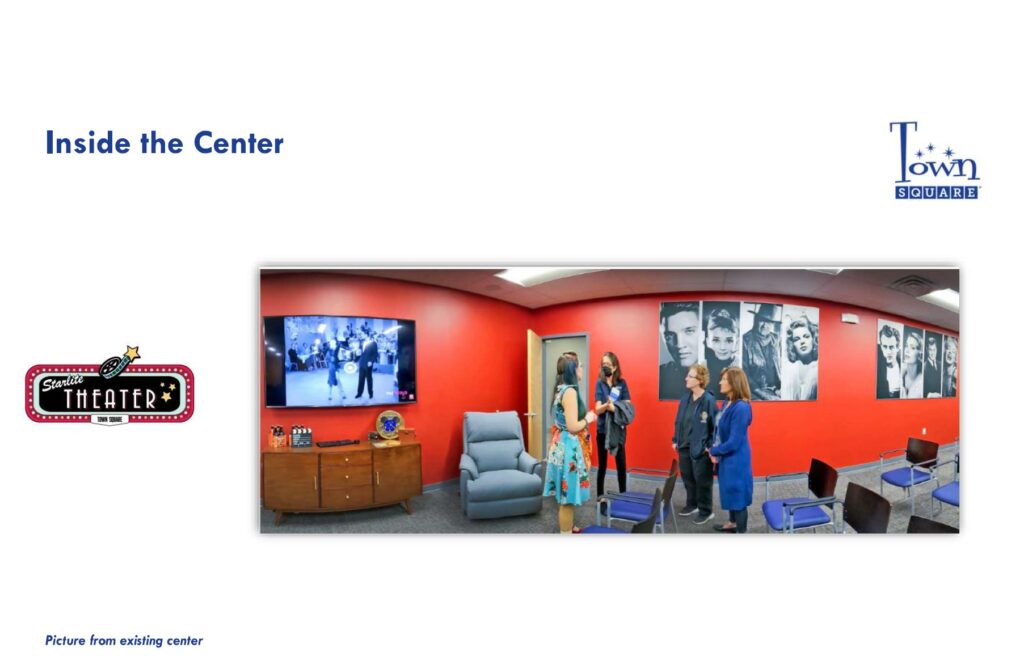
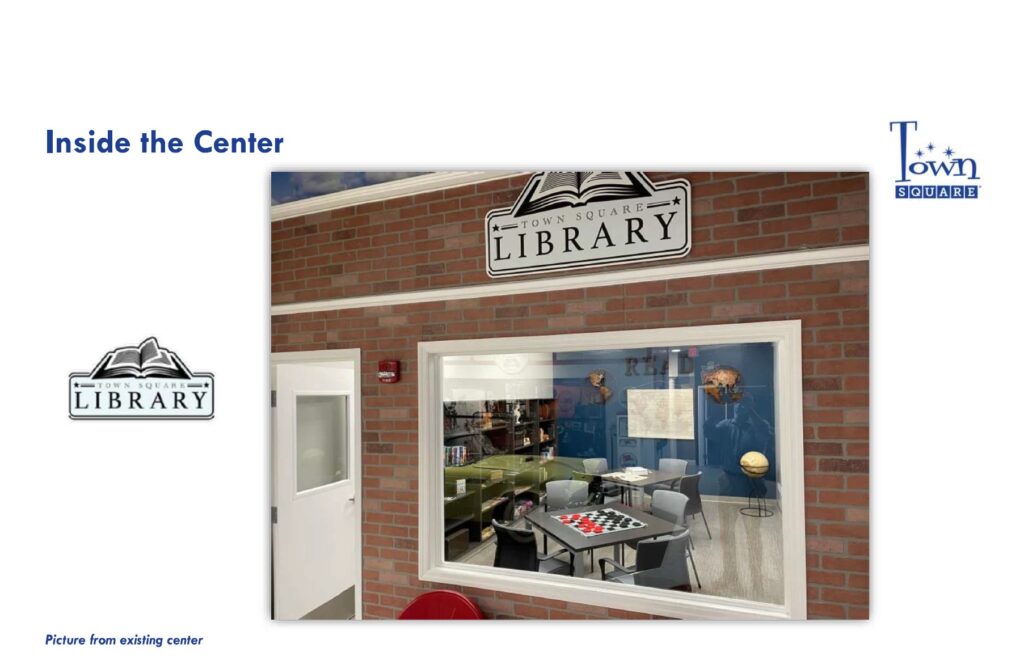
This will be the first Town Square to be located in Bergen County.   Town Square provides a unique re-creation of a 1950’s type Town Square in which Reminiscence Therapy is used to treat members with memory loss issues.
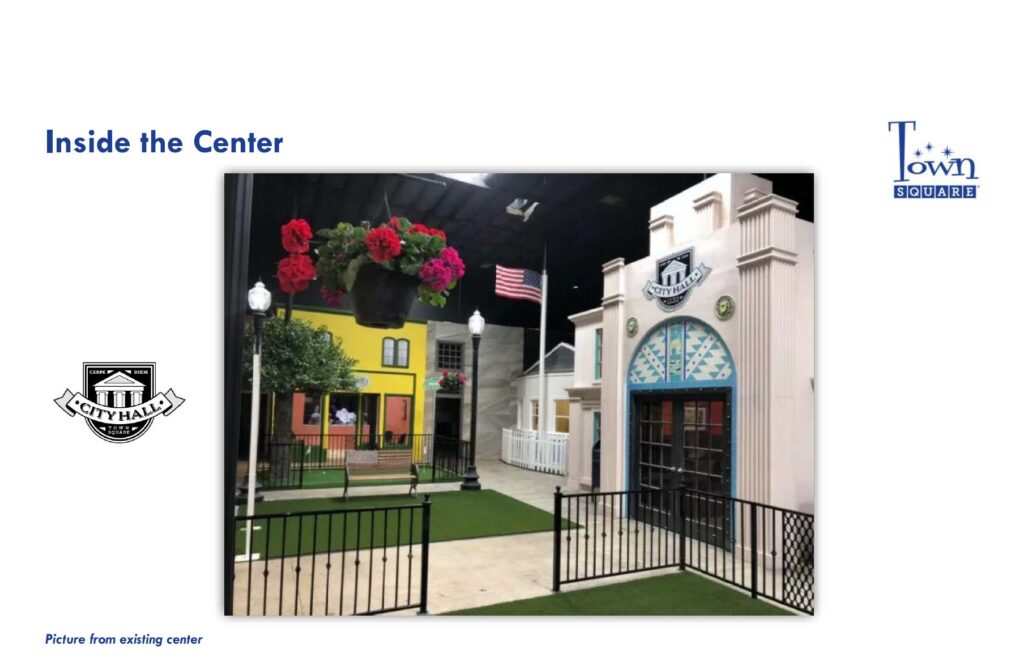
City Hall
Little Blue House
Recreation Center
Rosies Diner
Startlite Theater
Town Square Library

Bruce Rosenberg Secures variance approval from the Fair Lawn Zoning Board of Adjustment Read More »

review of new liquor License Laws in new jersey

On January 16, 2024, Governor Murphy signed legislation (S-4265/A-5912) into law. This law will boost the number of available liquor licenses and ease a range of restrictions that have hindered breweries and distilleries throughout the State. The following is a summary of the changes that come with the new law.

Inactive/Pocket Licenses

There are currently more than 1,300 inactive or pocket licenses held throughout the state. Inactive licenses are associated with a specific location but are not in use. Pocket licenses are those that have been purchased but are not currently attached to any specific location. The inactive and pocket licenses are one of the leading causes of the low supply of available licenses, as well as the high price of the licenses. The Division of Alcoholic Beverage Control estimates a 15% increase in available licenses with the implementation of the new law.

Under the new law, if a license has remained inactive for two consecutive license terms (a total of two years) the license holder will be obligated to either sell it or use it. If the license holder does not exercise either option, the license may be transferred to neighboring municipalities. Additionally, a municipality where an inactive consumption license has lapsed and has not been renewed for eight years before the law takes effect, may issue a new consumption license at a public sale for use at a licensed premises located within the town.

Mall Licenses

The new law creates a new class of retail consumption licenses which the Governor hopes can create many new licenses throughout the State. The law allows municipalities to issue up to two new licenses for food and beverage establishments in shopping malls with a minimum of 750,000 square feet; and up to four new licenses for establishments in shopping malls with a minimum of 1.5 million square feet. 

With the large number of malls in the state, and the struggles malls have seen since the pandemic and the rise of online shopping, this law can bolster the survival of malls throughout the state.

Breweries and Other Similar Establishments

The new law eases restrictions that have hindered breweries and other similar businesses disturbing their ability to compete against industries in neighboring states. It takes away the requirement to provide tours of the premises to patrons and allows them to hire servers and wait staff. The law will also allow them to sell certain food items (i.e. chips, nuts, and packaged snacks) and non-alcoholic beverages. Additionally, the law allows them to collaborate with outside vendors, host unlimited onsite event and private parties, host a maximum of 25 off-site special events, and participate in up to 25 events hosted by a holder of a special affairs permit. The law also increases the number barrels permitted to be manufactured per year from 100,000 to 300,000 and allows the license holders to sell and distribute 50% of the beer produced on premises each year directly to retailers, rather than having to sell solely to wholesalers. Finally, the law creates a new farm-brewery license that allows the holders to produce malt alcoholic beverages, up to 2,500 barrels per year, for retail sale to consumers for consumption off the licensed premises.

The new law will give these establishments more opportunities, will allow them to compete against businesses in neighboring states with laxer laws and will allow them to thrive in the industry.

review of new liquor License Laws in new jersey Read More »

building bergen may 2021 1030x424 1 1

Building Bergen Newsletter December 2021

In this issue: Hackensack Redevelopment: Where It’s Come From, Where It’s Going   •  Hackensack On the Rise  •  Residential Real Estate in Hackensack

bb
Hackensack Redevelopment: Where It’s Come From, Where It’s Going

It may seem a short time ago – or it may seem like a lifetime – but it has been ten years since the Hackensack redevelopment plan was first adopted. Building Bergen spoke with Francis Reiner, Senior Urban Designer with Hasbrouck Heights-based DMR Architects, but perhaps better known as Hackensack’s redevelopment consultant, for an update on the City’s redevelopment efforts.

To anyone who hasn’t visited Hackensack in a while, the first surprise is to see Main Street as a two-way thoroughfare, which hasn’t been done since the early 1970s. Reiner says this was identified as one of the essential changes that needed to be made. He considers this change already to be a “monumental success,” one that will dramatically improve the retail and commercial environment.

On the site of the former Record building, the exterior of the first building has been completed and work is still being done on its interior. Completion is expected in  January 2022. Work has begun on a second building, with small retail shops fronting on River Street. The Hackensack Planning Board has approved the remainder of the plan for the site, including two more residential buildings and two additional stand-alone retail buildings. When it is completed – in approximately three to five years – the site will include 700 residential units and 40,000 square feet of commercial retail space.

On Lot C, across from the Icehouse, the first six-story building is 75% complete, and it is expected to be done in early 2022. The building is primarily residential and includes 3,000 square feet of retail space as well as 200 public parking spaces to accommodate the needs of the adjacent commercial uses. When it is complete, construction will commence on a second, all-residential building, with 378 total units, which is expected to be complete in 2024.

The building at 210 Main Street is complete and fully leased, and 170 Main Street, the 14-story building, dubbed “The Brick,” should have a certificate of occupancy soon. The Brick, which includes 384 units and 10,000 square feet in retail space, will start leasing shortly. A second building is scheduled to be presented to the Planning Board before the end of the year and will include a rooftop restaurant.

Developers indicate that leasing activity on opened buildings has been very strong, says Reiner. There has been a higher absorption rate than originally anticipated, which Reiner sees as a sign of strong support for the Hackensack redevelopment effort.

Among the initiatives still to come is 321 Main Street, at the corner of Berry Street. This mixed-use development has been approved by the Planning Board and is under construction. In addition, a sister building will begin construction in 2022 at the corner of Main and Passaic Streets that will mirror the Main and Ward Streets project that was completed in early 2021.

The City has sold the former Building Department, and a redevelopment project has been proposed and approved adjacent to the Anderson Street Train Station. The mixed-use building, with 225 residential units, should begin construction in 2022. This, says Reiner, shows Hackensack’s support of public transportation, as will another project near the Essex Street train station, that will begin construction in the latter half of ’22.

All of Hackensack’s new projects will add a combined 4,000 to 6,000 residential units in the downtown area and near the train stations, as well as an estimated $10 to $15 million in new tax revenue. This, says Reiner, will contribute to reestablishing downtown Hackensack as a “destination” in Northern New Jersey.

Reiner feels the 10 years have gone quickly, especially considering the skepticism with which the plans were originally greeted. He says it has been very gratifying to play a role in the City’s redevelopment, especially seeing it take shape before his eyes. He adds, “I give full credit to the mayor and council for staying the course and implementing all that has happened.”

fm
Hackensack On the Rise

By Faith Miros, Esq. 

A drive along Hackensack’s Main Street tells much about the renaissance of Hackensack. Under-utilized or vacant commercial properties, and even residential properties, are being replaced with mixed use projects aggregating over 3,000 modern apartment units and thousands of square feet of retail space. Existing businesses have been given facelifts and are experiencing an uptick in activity while new businesses are entering the scene in droves.

With financial incentives offered by the City as well as the City’s premier location within Bergen County, it’s no question why Hackensack is on the rise and at such a fast pace with over 25 development projects underway. Hackensack has three designated Opportunity Zones and in many instances is offering PILOT programs and tax abatements. Hackensack has two New Jersey Transit railroad stations that run directly to the Secaucus transfer station as well as the regional New Jersey Bus Station that provides direct access throughout Bergen County and beyond and to New York City. Hackensack has access to Routes 4, 17, 46, Interstate 80, and the Garden State Parkway, and is only 8 miles from the George Washington Bridge and 13 miles from the Lincoln Tunnel. It is home to the largest medical center in New Jersey, the Bergen County offices and courts, and a university.

The pandemic increased Hackensack’s allure as Manhattanites flocked across the Hudson River feeling as though Manhattan had lost its purpose. In just a few years, 3,000 units have been constructed and are either occupied or in the planning phase, with all the buildings fronting Main Street providing retail space.

Winne Banta has been an integral player in the Hackensack redevelopment plan, with representation spanning the entire spectrum from securing site plan approvals to the acquisition of liquor licenses for the development projects. We expect the current projects to near their conclusion within three or so years and for Hackensack to inspire more residential and commercial development for years to come.

Faith Miros concentrates her practice in real estate and business law.  She has represented major commercial landlords, real estate developers and high net worth investors in the acquisition, disposition and leasing of commercial properties, including industrial, mixed-use, retail, office and multi-family.  She can be reached at fmiros@winnebanta.com or (201) 487-3800.

RA 214x300 1
Residential Real Estate in Hackensack

By Robert Abbott

Everyone’s talking about what has happened to the real estate market in Bergen County over the last year. Lines at open houses, multiple offers, and bidding wars for homes are the new normal. Properties are appreciating at a higher rate than in the past.

Historically, when home purchasing is up, the rental market is down. That is not the case in Bergen County today. There is a demand for all types of residential properties. Bergen County has benefited from people moving from urban to suburban areas. There has been an influx of people looking for more open space and dwellings with home offices.

Look no further, as Hackensack, one of the most progressive cities in Bergen County, has implemented a downtown rehabilitation plan to re-develop its Main Street and re-establish itself as a regional destination. Bergen County is one of the most affluent counties in the state and Hackensack is the epicenter of the county. It has universities, a world-renowned hospital, the county courthouse, and several transportation choices.

It is estimated there will be approximately 6,000 residential rental units that will be built. With the statewide average experiencing accelerated rental rates and vacancy rents below 6%, builders can’t keep up. The consumer wants new products with lots of amenities. The future is bright for Bergen County and Hackensack.

Robert Abbott is Broker/Owner with Berkshire Hathaway Home Services Abbott Realtors. He can be reached at bhhsabbott@gmail.com or (201) 891-2223.

If you have questions concerning BUILDING BERGEN, or have ideas for what you would like to see in future newsletters, contact Alan Levine at alevine@levinemarketingsolutions.com.

Building Bergen Newsletter December 2021 Read More »

Scroll to Top